

(Milk thistle)
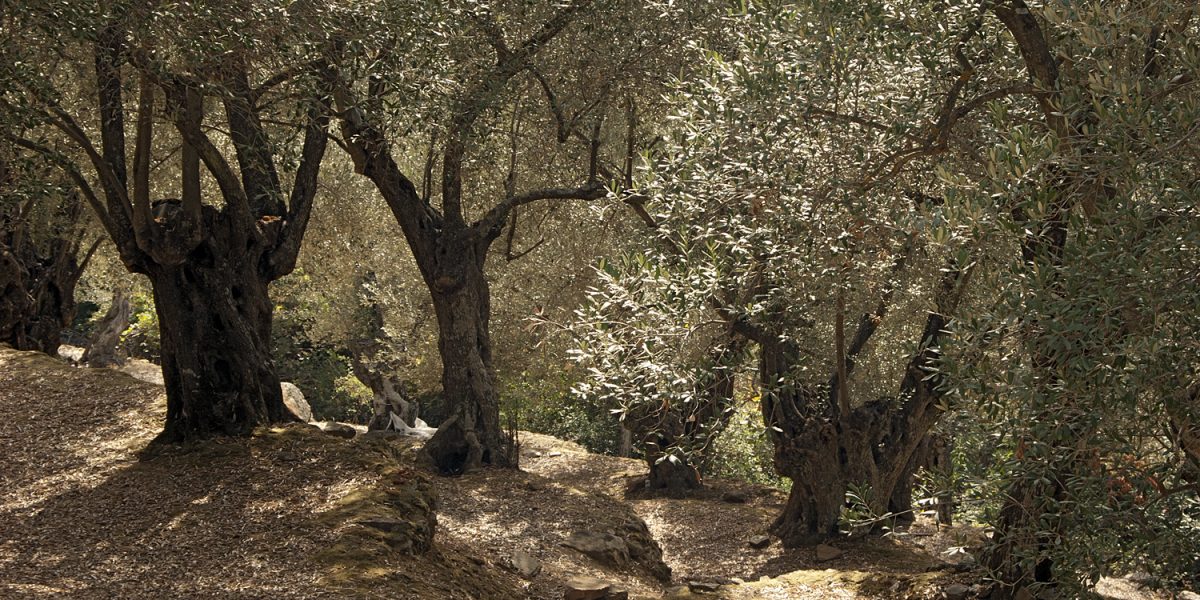
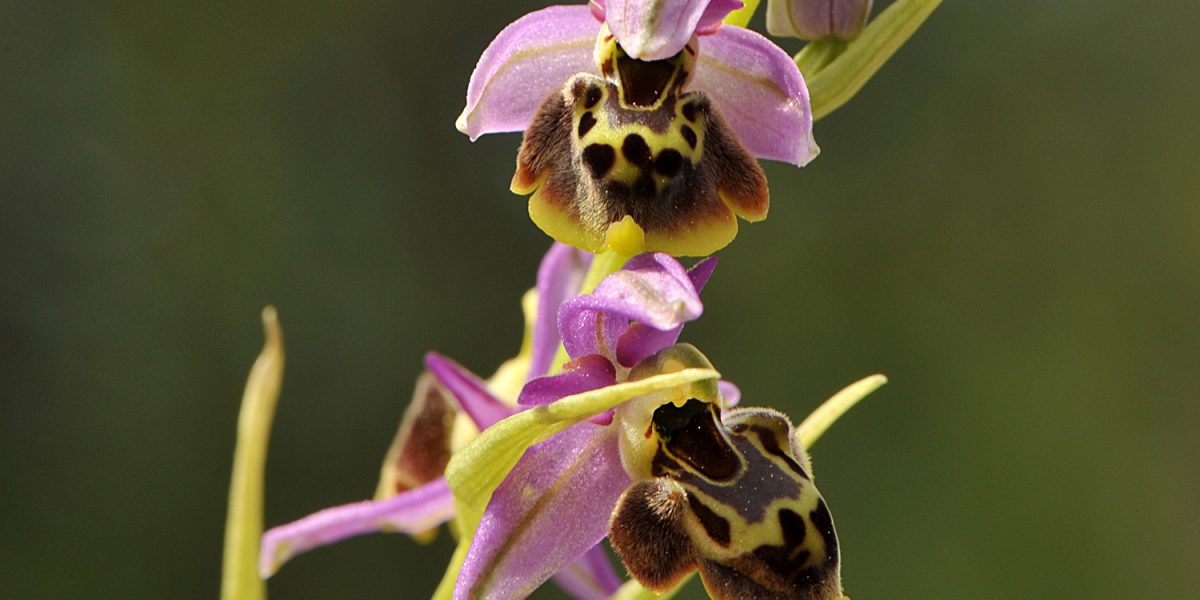
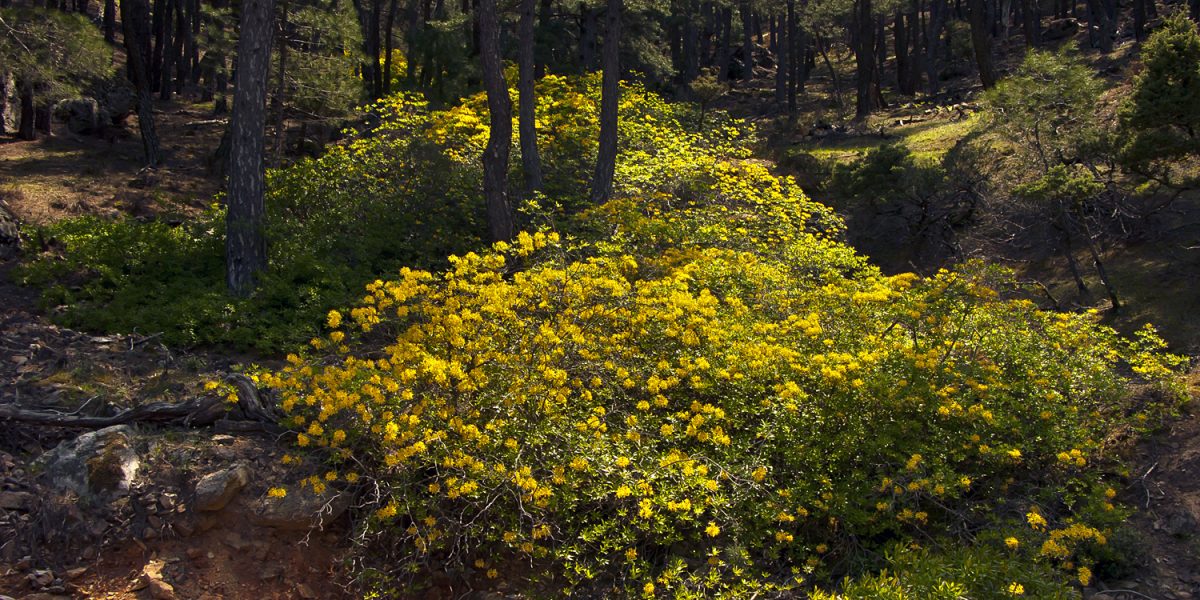
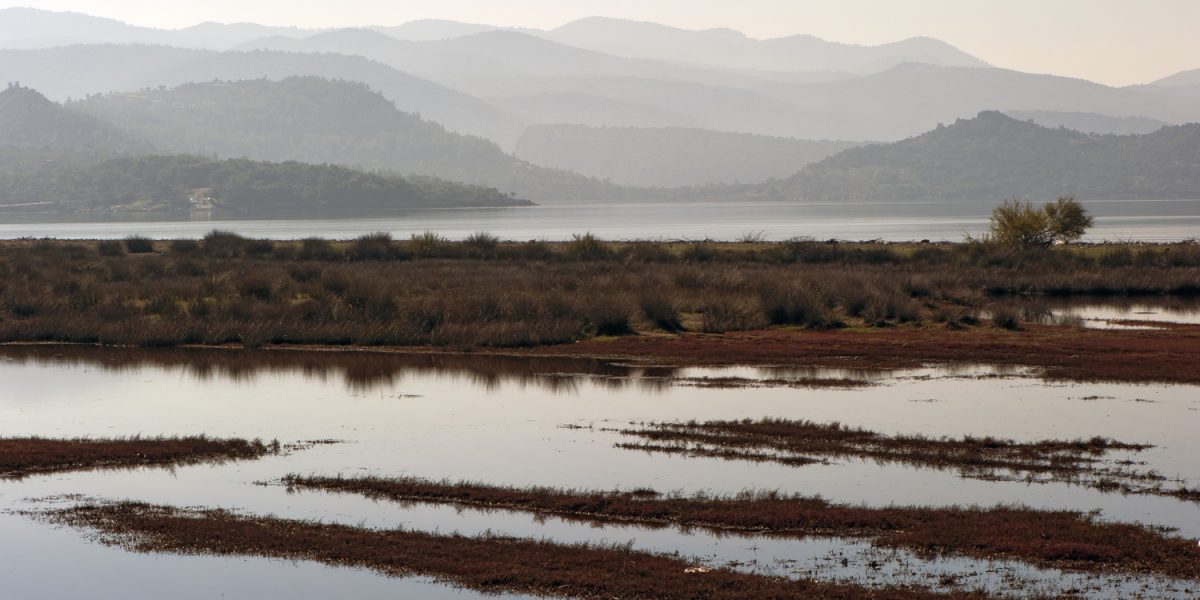
On Lesvos, the flowers are almost bursting from the earth with explosive force. Every spring, it is a true experience, and especially now that winter brought so much rain, the flowers are countless. They gather in large groups in the olive groves, they massively colour the roadside ditches, and green meadows turn into colourful carpets.
Thanks to the palliative radiotherapy, I can behold this wonderful world one more time and drive around the island with friends, exclaiming ‘ah’ and ‘oh’ as if I haven’t already enjoyed this splendid spectacle more than twenty times.
Now that the brightly coloured anemones have had their best time, the poppies are coming. Secretly, I’m on the lookout to see if any opium poppies (Papaver somniferum) are left on the island. Once they grew extensively in Greece, especially during the time of Hippocrates (ca. 460–370 BC), who knew that you could harvest opium from these flowers to alleviate pain. Now it is mostly the common poppies (Papaver rhoeas) that paint the fields of Lesvos bright red. This species does contain a comparable substance to that of the opium poppies, but it is far less strong. I don’t need morphine yet, so I don’t have to experiment to extract any soothing substance from thunder flowers*.
The asphodels (Asphodelus aestivus)** are also spreading wherever they can. The Greeks whispered that each flower represents a fallen soldier, and I wonder if their exuberance this spring has anything to do with the war recently started by two idiots.
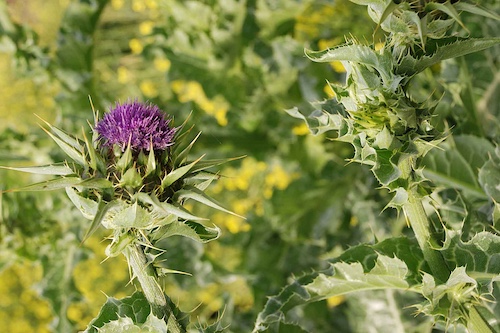
Less conspicuous, but also thriving, are the milk thistles (Silybum marianum), which, according to legend, are stained with the breast milk of Mary, spilt when she had to flee with her baby Jesus from the Romans. Asphodels are edible, however not that tasty: but milk thistles are. It is a bit of a hassle to prepare them with their prickly leaves, but once cooked and softened, their taste is like delicate spinach. They have another property that I am currently interested in: they produce a substance, silymarin, which can help in cancer treatment.
This white-dotted plant turns out not to be the only plant growing on Lesvos with suspected anti-cancer properties. Also, extracts from the likes of rosemary, parsley, broccoli, celery, tomatoes, grapes, garlic, saffron, red onion and red cabbage are floating in test tubes in medical laboratories in the hope of a breakthrough.
I will not find a cure that can permanently drive the cancer out of my body. There are quite a few unofficial remedies that claim to be able to do that, but I don’t believe in them. I accept my fate. But now that I see this plant abundance and discover what they can mean for humans, I wonder if I should start eating a portion of milk thistles daily, season all my food with rosemary or if I should put even more broccoli on my plate.
I must say that I am an avid lover of tomatoes, which I hide in nearly every meal during the summer; I am equally crazy about grapes, saffron, onions and garlic. They have not prevented me from getting cancer. For sure there is no guarantee that these plants really help. Scientists are working on it, let’s just say it like that.
But it gnaws at me. And when I go through the list of anti-cancer plants, I suddenly realize that this winter one of the favorite dishes contains an interesting dose of anti-cancer substances.
In the summer, we eat choriatiki, the so-called village salad with tomatoes, feta, onions, and olives. However, if you want to use tomatoes against cancer, you would need to consume daily a significant amount of cooked tomatoes.
In the winter, you can order a mixed salad, anamichti, which usually contains grated raw red and white cabbage, carrot, red onion and green lettuce. In the past, the Greeks would pour some oil and vinegar over it, but this year even the most remote tavernas have discovered vinaigrette, which adds even more flavour to that salad. Red cabbage and red onions, especially, contain substances that are highly effective in the fight against those damned cancer cells. Sprinkle some parsley and rosemary over it, garnished with a bit of broccoli, and you have a perfect anti-cancer salad. Eating to get cancer-free, wouldn’t that be something.
*See: Clapping thunder flowers
** See: Between Hope and Hades
*** See: Mushrooms filled with Milk Thistles